
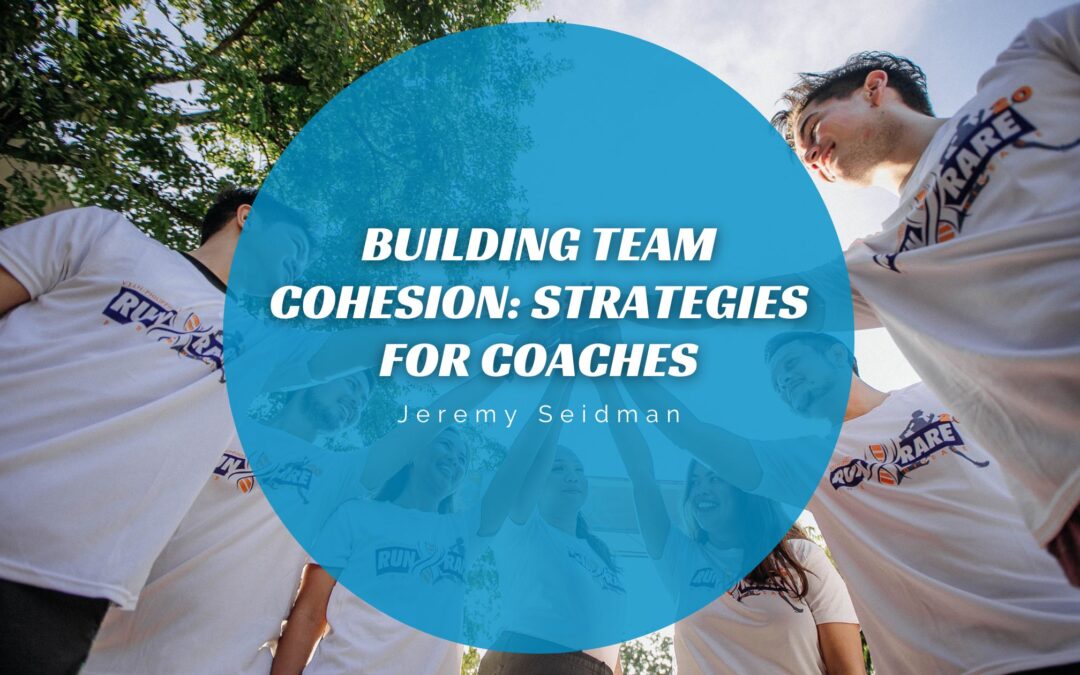
Team cohesion is one of the most important factors that contribute to an athlete’s success, both individually and as a group. Whether it’s a high school sports team or a professional league, teams with strong cohesion are more likely to outperform their opponents, overcome adversity, and develop a sense of camaraderie that carries over into their overall performance. As a coach, building team cohesion is not just about fostering good relationships—it’s about creating a unified group that works together toward common goals. Below are several strategies that coaches can use to build and strengthen team cohesion.
1. Establish Clear Team Goals and Roles
For a team to work cohesively, everyone must understand their collective purpose. Establishing clear, measurable goals helps create a sense of direction and unity. These goals should align with the team’s overall mission, whether it’s winning a championship or simply improving individual performance. By setting both short-term and long-term goals, athletes have something concrete to work toward together.
Equally important is defining individual roles within the team. Every athlete should know their specific responsibilities and how their contribution fits into the larger picture. When roles are well-defined, athletes feel more secure in their position and are less likely to compete with teammates for the spotlight. Instead, they learn to rely on each other’s strengths, creating a collaborative environment.
2. Foster Open Communication
Effective communication is at the heart of every cohesive team. Athletes need to feel comfortable expressing their thoughts, feelings, and concerns, and they need to know that their voices are heard. As a coach, fostering open lines of communication allows teammates to work through issues quickly and efficiently, minimizing misunderstandings or conflicts.
Encourage athletes to give and receive constructive feedback. Set up regular check-ins or team meetings where everyone can discuss progress, challenges, and goals. Creating an environment where communication flows freely ensures that team members are aligned and moving in the same direction.
3. Encourage Team Building Activities
While sports are inherently about team work, sometimes it takes more than just practice to build solid relationships. Team building activities outside of the typical practice or game environment can play a crucial role in fostering cohesion. These activities could be as simple as team dinners, outings, or group challenges that promote trust and collaboration.
For example, an obstacle course or problem-solving activity can help athletes break out of their comfort zones and learn to rely on one another. These activities strengthen bonds between teammates and build trust, which translates to better performance on the field.
4. Lead by Example
As the coach, you are the model for team dynamics. Your attitude, behavior, and leadership style set the tone for the entire team. If you show respect, humility, and commitment, your athletes will follow suit. It’s essential to demonstrate the same qualities you expect from your players, including accountability, work ethic, and emotional control.
Additionally, a coach should foster an inclusive and supportive environment. Treat every player with respect and make sure to acknowledge each athlete’s contribution to the team, regardless of their role. By showing that you value every individual, you promote a culture of inclusivity, which leads to better teamwork.
5. Emphasize the Importance of Trust and Respect
Trust and respect are the foundation of any successful team. Without these two elements, players may struggle to communicate effectively or rely on each other during critical moments of competition. As a coach, it’s your responsibility to create an atmosphere where athletes can trust one another both on and off the field. This means encouraging mutual respect and ensuring that all players feel valued.
To build trust, encourage athletes to support one another, celebrate team achievements, and work through disagreements constructively. Trust-building exercises, like pairing teammates up for drills or problem-solving tasks, can help deepen the connections between players.
6. Manage Conflict Effectively
Inevitably, conflict will arise on any team, whether it’s a disagreement between players, a misunderstanding, or frustration with performance. How you, as a coach, manage conflict can significantly impact team cohesion. When conflicts arise, address them quickly and fairly. Avoid letting issues fester, as unresolved tension can lead to resentment and division.
It’s important to approach conflict resolution in a way that promotes understanding and problem-solving rather than assigning blame. Help athletes work through their differences by encouraging empathy, active listening, and compromise. When handled well, conflict can even strengthen the team’s cohesion as it teaches players how to navigate challenges together.
Building team cohesion is an ongoing process that requires intention, communication, and leadership. By establishing clear goals, fostering open communication, encouraging trust and respect, and effectively managing conflict, coaches can create an environment where athletes thrive both individually and as a team. Strong cohesion doesn’t just lead to better performances—it builds character, enhances personal growth, and creates lifelong bonds that extend far beyond the field. For coaches, investing in team cohesion is one of the most effective ways to ensure lasting success.