
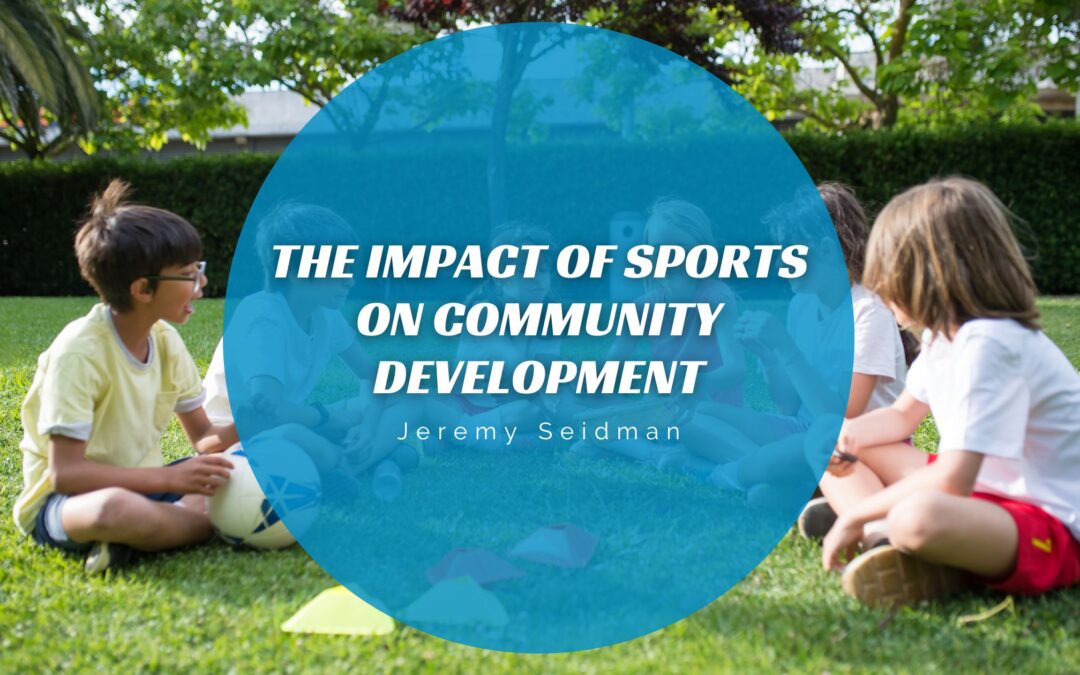
Sports have long been recognized as more than just an activity for personal enjoyment or competition. They hold the power to bring people together, foster unity, and drive meaningful change within communities. From local recreational leagues to large-scale professional events, the impact of sports on community development is profound and multifaceted. Whether in urban or rural settings, sports can bridge gaps, create opportunities, and contribute to the overall growth and well-being of a community.
Uniting People Across Differences
One of the most significant ways sports contribute to community development is by uniting people from diverse backgrounds. Sports have the unique ability to bring together individuals regardless of their race, religion, economic status, or social standing. A local soccer team, for example, may include players from various neighborhoods, cultures, and walks of life, all working towards a common goal. This sense of unity fosters social cohesion and promotes inclusivity, breaking down barriers that may exist in other aspects of community life.
The shared experience of participating in or supporting a team creates a sense of belonging and pride. Whether cheering for a local team or collaborating in a community event, individuals can experience a collective sense of achievement, further strengthening community bonds.
Creating Economic Opportunities
Sports can also serve as a catalyst for economic development in a community. Local sports leagues and recreational programs create jobs and stimulate local businesses. Coaches, referees, event organizers, and facility maintenance staff all rely on sports-related activities for employment, while local businesses—such as restaurants, retail stores, and service providers—benefit from the influx of participants and spectators.
Additionally, large sporting events, such as tournaments or charity runs, can attract visitors from outside the community, boosting tourism and increasing revenue. The infrastructure needed to support sports events often leads to the development of new facilities, parks, and recreational spaces, which can improve the overall quality of life for residents.
Promoting Health and Well-Being
Sports are also a powerful tool for promoting physical and mental health. Participation in sports encourages an active lifestyle, which can help combat chronic health issues like obesity, heart disease, and diabetes. Regular physical activity also promotes mental well-being by reducing stress, anxiety, and depression.
Community-based sports programs, especially those targeting youth, can provide a positive outlet for energy and emotions. These programs often teach valuable life skills such as teamwork, discipline, and time management while fostering a sense of achievement and confidence in young participants.
In many cases, sports programs help build character and provide an alternative to negative behaviors. Engaging youth in sports can steer them away from risky activities, contributing to lower crime rates and fewer instances of delinquency.
Encouraging Volunteerism and Civic Engagement
Sports programs, particularly at the grassroots level, rely heavily on volunteers. This offers community members opportunities to give back and engage in civic activities. Parents, local leaders, and sports enthusiasts often volunteer as coaches, team managers, or event organizers, fostering a spirit of volunteerism and community involvement. This sense of participation not only benefits the individuals involved but also enhances the sense of ownership and pride within the community.
By investing in sports, communities often see a broader cultural shift towards greater social responsibility and collective action. People who work together on sports initiatives are more likely to become active in other aspects of community life, such as volunteering for charitable causes, participating in local government, or helping neighbors in need.
The impact of sports on community development is undeniable. Through the promotion of unity, economic growth, health, and volunteerism, sports play a key role in shaping stronger, more resilient communities. As communities invest in sports programs and initiatives, they are not only fostering the growth of athletes but also cultivating a culture of collaboration, opportunity, and well-being that benefits everyone. In the end, sports are not just a game—they are a vital tool for community development and social progress.